

RSV Vaccination For Pregnant Women
Author Dr Kate Garside
RSV Vaccination for Pregnant Women: How the 28-Week Jab Protects Your Newborn
This article is for general information only. Please speak to your midwife, GP or obstetric team for advice about your own pregnancy.
It's the end of October as I write this. Every year around now, the same thing happens on children's wards up and down the country. The cots fill with tiny babies who are coughing, struggling to feed and working far too hard to breathe. More often than not, the cause is respiratory syncytial virus, better known as RSV.
I've worked in women's health and fertility for over 40 years. For most of that time, all we could really tell expectant parents about RSV was to wash their hands and hope for the best. That changed in September 2024, when the NHS began offering a free RSV vaccine to pregnant women from 28 weeks. The programme is now in its third winter, and the real-world evidence is very encouraging.
In this guide I'll explain what RSV is, why the vaccine is given in pregnancy rather than to your baby, when to have it, how well it works and how safe it is. I'll also cover what else happens at your 28-week appointment and the signs of RSV to watch for once your baby is home.
The RSV vaccine in pregnancy at a glance
- Free on the NHS from 28 weeks of pregnancy
- Offered in every pregnancy, even if you had it last time
- A single injection in your upper arm
- Works best when given at least two weeks before birth
- Protects your baby through their first six months, when RSV is most dangerous
What is RSV?
RSV is a very common virus that infects the nose, throat and lungs. In adults and older children it usually causes nothing worse than a cold: a runny nose, a cough and perhaps a mild temperature. Most of us catch it many times over our lives without ever knowing its name.
In very young babies, though, the infection can spread down into the smallest airways in the lungs, called the bronchioles. This causes bronchiolitis. A newborn's airways are tiny to begin with, so a little swelling and mucus quickly makes breathing and feeding hard work. RSV can also cause pneumonia, croup and ear infections in young children.
RSV spreads through coughs, sneezes and hands that have touched contaminated surfaces. You can catch it at any time of year, but cases rise sharply every winter, and the RSV season usually starts in October.
Why newborns are most at risk
UKHSA estimates that around 90% of children catch RSV before their second birthday. For most it's a passing nuisance, but for a significant number it's much more serious. Before the vaccine was introduced, around 20,000 babies were admitted to hospital with bronchiolitis in England every year, and some needed intensive care.
The babies most likely to become seriously ill are:
- Babies under six months old, especially those under three months
- Babies born prematurely
- Babies with heart or lung conditions or a weakened immune system
- Babies born in late summer or autumn, because they meet their first RSV season while they're still very small
That last point surprises many parents. No birth month is free of risk, but a baby born in September or October is only a few weeks old when RSV peaks in November and December.
How the RSV vaccine in pregnancy protects your baby
A newborn's immune system doesn't respond well to most vaccines, so instead we vaccinate the mother. The vaccine prompts your immune system to make a large, fresh supply of antibodies against RSV. Those antibodies then cross the placenta during the third trimester, so your baby is born already protected.
This protection is strongest in the first few months of life, which is exactly when babies are most vulnerable. It gradually fades over about six months. By then your baby's airways are bigger and their risk of severe illness is much lower.
The vaccine used on the NHS is called Abrysvo. It isn't a live vaccine, so it cannot give you or your baby RSV. It contains a protein from the outer surface of the virus, which teaches your immune system what to look for.
When should you have the RSV vaccine?
You should be offered the vaccine at or around your 28-week antenatal appointment. Having it at 28 weeks, or within a few weeks of that, gives your body time to make plenty of antibodies and pass them on before birth. This includes babies who arrive early.
Timing matters. Protection is strongest when the vaccine is given at least two weeks before your baby is born, and stronger still with a month or more between the jab and delivery. The vaccine can be given right up until you go into labour, but try not to leave it to the last minute.
In the UK, Abrysvo is licensed for use between 28 and 36 weeks. NHS services can still give it after 36 weeks if you missed it earlier.
Dr Kate's tip: Don't wait for someone to chase you. If you've reached 28 weeks and nobody has mentioned the RSV vaccine, ring your maternity unit or GP surgery and ask for an appointment. Clinics can get busy in autumn, and every week you wait leaves less time for antibodies to reach your baby.
You need the RSV vaccine in every pregnancy
This catches a lot of people out. Even if you had the RSV vaccine with your first baby, you'll be offered it again next time. The boost in antibodies is temporary, and each baby needs their own fresh supply passed across the placenta in the weeks before birth.
Having had RSV yourself doesn't count either. Natural infection doesn't leave you with enough antibodies to protect a newborn. The vaccine gives a much bigger boost, at exactly the right time.
How well does the RSV vaccine work?
When the programme launched, the estimate from trials was that the vaccine cut the risk of severe bronchiolitis by around 70% in a baby's first six months. After two winters, real-world UK data suggests it may work even better than that.
- The first UK results: A 2025 study by NHS paediatricians found the vaccine was 72% effective at keeping babies out of hospital with RSV when mums had it more than two weeks before delivery.
- The largest study so far: In April 2026, UKHSA presented data on almost 290,000 babies born in England. When mums were vaccinated at least 14 days before birth, their baby's risk of being admitted to hospital with RSV fell by just over 81%. With four weeks or more between the vaccine and delivery, the reduction rose to around 85%.
- Premature babies: Even in babies born early, protection was close to 70% when the vaccine had been given at least two weeks before birth.
- Late vaccination still helps: Babies whose mums were vaccinated only 10 to 13 days before birth still had roughly half the risk of hospital admission.
The effect is now showing up in hospital numbers too. A study published in September 2026 found that hospital admissions for bronchiolitis in babies under three months in England fell by around 39% after the vaccine was introduced, even though not every mum had been vaccinated.
By November 2025, around 64% of babies born in England had mothers who'd had the vaccine. That's real progress, but it means roughly a third of newborns are still going into winter without this protection.
No vaccine is 100% effective, and some babies will still catch RSV. For most babies of vaccinated mums, though, the illness should be milder.
Is the RSV vaccine safe in pregnancy?
Safety is always the first question I'm asked, and it should be. Here's what we know:
- Before it was approved, the vaccine was studied in clinical trials involving almost 4,000 pregnant women.
- It's approved by the MHRA in the UK and by medicines regulators in Europe and the USA.
- Monitoring in the USA, where well over 300,000 pregnant women have had it, has shown a good safety profile.
- More than 300,000 mums and babies in England were protected in the first year of the NHS programme alone.
You may have read about premature birth. In the main clinical trial, slightly more babies were born early in the month after vaccination in the vaccinated group (2.1%) than in the unvaccinated group (1.9%). UKHSA's view is that this small difference is most likely down to chance, and monitoring since then has continued to show a good safety profile. I'd always rather you heard that from me than came across it online at two in the morning.
Side effects of the RSV vaccine
Most side effects are mild and settle within a day or two:
- Soreness, redness or swelling where the injection went in
- Headache
- Aching muscles
Serious allergic reactions are very rare, and the person vaccinating you is trained to treat them straight away. In older adults, a nerve condition called Guillain-Barré syndrome has been reported very rarely after RSV vaccination. So far there is no evidence of any increased risk in pregnant women.
If you have a high temperature on the day of your appointment, rearrange it and have the vaccine once you feel better. The only people who shouldn't have it are those who've had a severe allergic reaction to a previous dose or to one of its ingredients.
You can report any suspected side effects through the MHRA Yellow Card scheme.
Your pregnancy vaccines at a glance
RSV is one of three vaccines routinely offered in pregnancy in the UK. Each has its own best timing, so it helps to know what's coming.
| Vaccine | When it's offered | Who it protects |
| Whooping cough (pertussis) | From 16 weeks, usually around your 20-week scan | Your baby, from birth until their own vaccinations start at 8 weeks |
| Flu | At any stage of pregnancy, as soon as it's available in autumn | You, and your baby in their first few months |
| RSV | From 28 weeks, ideally at your 28-week appointment | Your baby, through their first six months |
If you haven't had your whooping cough or flu vaccine by the time you're called for RSV, they can be given at the same appointment. It's still best to have each one as soon as it's offered rather than saving them up.
Where can I get the RSV vaccine?
The vaccine is free on the NHS for anyone who is 28 weeks pregnant or more. Depending on where you live, you may be vaccinated:
- By your midwife at your 28-week antenatal appointment
- At your GP surgery
- At a hospital antenatal clinic or drop-in session
- At some community pharmacies, in areas including London, Essex and Suffolk, Lancashire and Merseyside, and Leicestershire and the West Midlands
The vaccine is offered all year round, because babies are born every month. You can read more on the NHS RSV vaccine page.
What if my baby comes early, or I missed the vaccine?
If your baby is born prematurely, a vaccine you had at least a couple of weeks before birth still gives useful protection. Some babies at particularly high risk may also be offered an antibody injection called nirsevimab after birth. This includes babies born very early or with significant heart, lung or immune problems. Nirsevimab protects the baby directly, on top of any antibodies they received from you.
If you go into labour before you've had the vaccine, try not to worry. Having it very late in pregnancy may still stop you catching RSV, which lowers the chance of passing it to your newborn. Some NHS services can also offer the vaccine up until you leave hospital after the birth. This isn't available everywhere, so ask your midwife.
What else happens at your 28-week appointment?
The RSV vaccine is often given at the same visit as several other checks. At around 28 weeks your midwife will usually measure your bump and check your blood pressure and urine. You'll also be offered blood tests for anaemia and certain antibodies. If your blood group is rhesus negative, you may be offered an anti-D injection too.
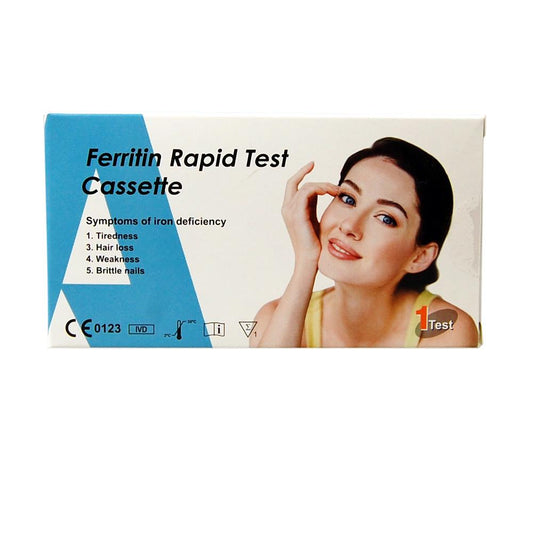
Anaemia is very common in the third trimester. Your baby is drawing on your iron stores and your blood volume has expanded, so many women notice their energy dipping. If you feel more exhausted, breathless or light-headed than you'd expect, tell your midwife.
Some women also like to keep an eye on their iron between appointments with a home ferritin test, which gives an indication of your iron stores. If you test at home, always share the result with your midwife, and please don't start iron supplements without advice.
Other infections to know about in late pregnancy
RSV isn't the only infection your midwife will be thinking about in the third trimester.
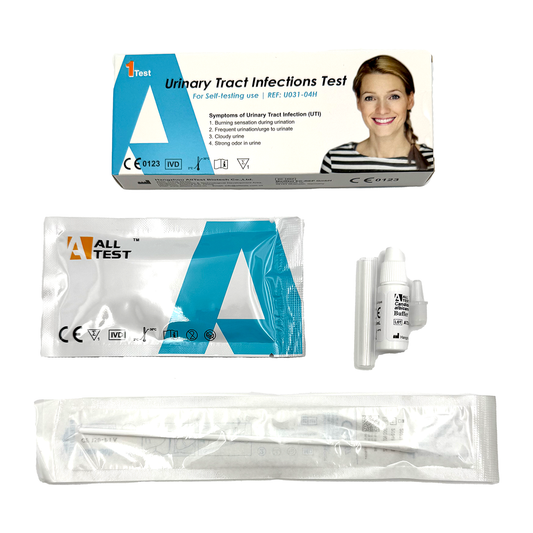
Urine infections and thrush are both more common in pregnancy, because of hormonal changes and pressure from your growing baby. A cystitis test kit or our UTI and thrush test bundle can be a useful first check if something doesn't feel right.
However, if you're pregnant and have any urinary symptoms, contact your midwife or GP the same day. Urine infections in pregnancy need prompt treatment, and a home test should never delay that.
Group B streptococcus (GBS) is a bacterium carried harmlessly in the gut or vagina by between two and four in every ten women. It rarely causes problems, but it can occasionally pass to a baby during labour and cause a serious infection. GBS isn't routinely screened for on the NHS, so it's worth asking your midwife about your own risk. We supply group B strep swab test kits. Any positive result should always be discussed with your maternity team before labour.
How to protect your newborn from RSV at home
The vaccine is your baby's best defence, and it works best alongside some sensible everyday habits, especially over winter.
- Hands first: Ask everyone to wash their hands before holding the baby, and keep hand gel by the front door.
- Kisses on the feet, not the face: It's lovely to kiss a newborn's face, but it's also an easy way to pass on a cold.
- Keep poorly visitors away: Anyone with a cough, cold or sore throat should wait until they're better before meeting the baby. Don't be shy about saying so.
- Watch out for older siblings: Toddlers at nursery often bring RSV home. Get them washing their hands as soon as they come through the door, and try to limit close face-to-face contact when they're full of cold.
- Keep your home smoke free: Babies exposed to cigarette smoke are more likely to become seriously ill with bronchiolitis.
- Have a thermometer ready: A digital thermometer under the armpit is the simplest way to check a baby's temperature. Buy one before your baby arrives so you aren't hunting for one at midnight.

Our digital thermometers are quick, easy to read and inexpensive. You can also buy a pack of five, so there's one in the nursery, one in the changing bag and one in the bathroom cabinet.
Signs of RSV in babies and when to get help
Even with the vaccine, some babies will still catch RSV, usually less severely than they would have otherwise. It's important to know what to look out for. RSV bronchiolitis often starts like an ordinary cold and gets worse over two or three days.
Common symptoms include:
- A runny or blocked nose
- A cough
- A raised temperature
- Fast, noisy or wheezy breathing
- Feeding less than usual
- Being unsettled and hard to comfort, or unusually sleepy
Call 111 or ask for an urgent GP appointment if:
- Your baby's cold is getting worse rather than better
- They're taking much less milk than normal
- They've had a dry nappy for 12 hours or more, or show other signs of dehydration
- They're under three months old and have a temperature of 38°C or above
- They're over three months old and have a temperature of 39°C or above
Call 999 or go to A&E straight away if:
- Your baby is struggling to breathe or making grunting noises
- You can see their chest or tummy sucking in under the ribs
- There are pauses in their breathing
- Their skin, lips or tongue look blue or grey
- They're floppy and won't wake up or stay awake
Trust your instincts. You know your baby better than anyone, and no doctor will ever mind seeing a baby who turns out to be fine.
Planning another pregnancy?
Much of my career has been spent helping couples conceive, and I'm sometimes asked whether the RSV vaccine affects fertility or future pregnancies. There's no evidence that it does, and no reason to expect it would. The vaccine gives a short-lived boost of antibodies for one baby, which is why you'll be offered it again next time.

If you're thinking about trying again, our ovulation test strips can help you pinpoint your most fertile days. Our ultra-sensitive early pregnancy tests detect pregnancy hormone from 10mIU/ml, so you can find out early and start your antenatal care promptly.
Our pregnancy and ovulation test bundle covers both. You may also find our guide on what not to do before an ovulation test useful.
Frequently asked questions
Is the RSV vaccine free in pregnancy?
Yes. It's free on the NHS for anyone who is 28 weeks pregnant or more, in every pregnancy.
Can the RSV vaccine give my baby RSV?
No. It isn't a live vaccine and cannot cause RSV infection in you or your baby.
I've had RSV before. Do I still need the vaccine?
Yes. Antibodies from a past infection aren't enough to protect a newborn. The vaccine gives a much stronger boost at the right point in pregnancy.
Can I have it at the same time as the whooping cough or flu vaccine?
Yes, if needed. Ideally have each vaccine when it's first offered, but if you're behind, they can be given together.
Will the vaccine protect me as well?
Its main job is to protect your baby. It may also lower your own chance of catching RSV, which in turn reduces the risk of passing it to your newborn.
Does the vaccine affect breastfeeding?
No. Having the vaccine in pregnancy makes no difference to how you choose to feed your baby.
How long does my baby's protection last?
The antibodies your baby receives are at their highest at birth and fade gradually over about six months. That covers the period when RSV is most dangerous.
A final word from me
In four decades of caring for women and families, I've seen plenty of medical advances come and go. This is one that's genuinely making a difference on children's wards this winter. If you're approaching 28 weeks, talk to your midwife about the RSV vaccine, ask whatever questions you have, and book in as soon as you can.
If you're expecting a winter baby, get the simple things ready now: a reliable thermometer, hand gel by the door, and the confidence to ask poorly visitors to come back another week.
Sources and further reading
- NHS: RSV vaccine
- UKHSA: A guide to RSV vaccination for pregnant women
- NHS England: Protecting winter babies against RSV
- Largest study yet of the RSV vaccine in pregnancy (UKHSA, 2026)
- Early impact of maternal RSV vaccination on bronchiolitis admissions, England (Eurosurveillance, 2026)
Medical Disclaimer
The information in this article is for general educational purposes only and does not replace personal advice from your midwife, GP, obstetrician or other healthcare professional. Decisions about vaccination in pregnancy should be made with your maternity team, who can take your medical history into account.
Figures quoted are based on published UK data available at the time of writing and may change as new evidence emerges.
If your baby is unwell, call NHS 111, or 999 in an emergency. Access Diagnostics home test kits are screening tools and are not a substitute for professional diagnosis or antenatal care.